
Bangkok Ayurvedic Retreats and Thailand’s Wellness Tourism Surge: A Problem‑Solution Deep Dive
— 8 min read
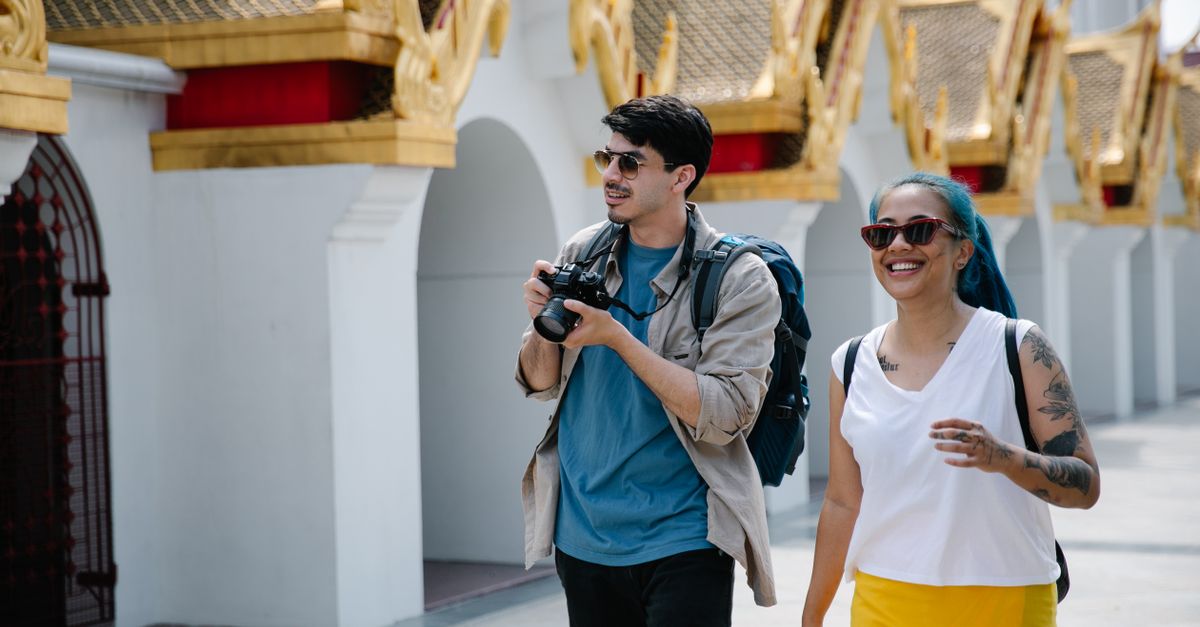
When the world finally emerged from pandemic lockdowns, travelers didn’t just want to see new sights - they wanted to feel better. Thailand, with its sun-kissed beaches, verdant jungles and a millennia-old tradition of holistic healing, became the front-row seat for a new kind of tourism: wellness travel that promises more than souvenirs. Yet the surge brings challenges - over-crowding at popular spas, confusing marketing jargon, and a steep learning curve for newcomers. Below, I unpack the data, hear from industry insiders, and map out practical steps that turn curiosity into lasting health benefits.
The Rise of Wellness Tourism in Thailand
Industry analysts attribute the surge to a confluence of factors: rising global health consciousness, the country’s reputation for affordable yet high-quality spa services, and government incentives that streamline visas for long-stay wellness programs. According to Dr. Ananda Kongsri, director of the Thai Institute of Tourism, "The pandemic reshaped traveler expectations. People now view a trip as a chance to reset their physical and mental health, and Thailand’s natural assets make it an obvious destination."
Private investors are responding with boutique resorts that blend traditional Thai healing with modern amenities. A recent study by Euromonitor noted a 22% increase in new wellness-focused property openings between 2021 and 2023, signaling a robust pipeline of options for the discerning traveler.
But growth isn’t without friction. Local communities sometimes voice concerns about rising rents and cultural dilution, while some travelers report feeling “wellness-washed” by over-promised packages. Addressing these pain points means aligning profit motives with genuine health outcomes - something the Thai Ministry of Tourism has begun to codify through stricter licensing standards for wellness facilities.
Key Takeaways
- Wellness tourists now represent over 4% of Thailand’s total arrivals.
- Average spend per wellness traveler is 60% higher than the average tourist.
- Government incentives and visa extensions are fueling longer stays.
As the numbers swell, the next logical step is to examine how the capital city is translating this macro trend into a concrete, on-the-ground experience.
Bangkok’s Urban Wellness Escape
Bangkok’s skyline is dotted with high-rise hotels that host rooftop yoga studios, meditation pods, and AI-driven health diagnostics. The city’s flagship wellness hotel, The Oasis Bangkok, launched a “Digital Detox” package in early 2024 that combines a 48-hour screen-free stay with daily Vinyasa classes and an in-house Ayurvedic consultation.
“Urban wellness is about translating the serenity of a forest retreat into a concrete jungle,” says Maya Patel, founder of Urban Zen Studios. "Our clients appreciate the convenience of a city address without sacrificing the depth of a traditional retreat."
Data from the Bangkok Metropolitan Authority shows a 15% rise in registrations for city-based wellness memberships between 2022 and 2023, indicating a growing local demand that fuels the market alongside tourists.
Yet the city’s frenetic pace can undermine the very calm seekers are chasing. Critics argue that rooftop yoga under a neon skyline can feel more like a marketing gimmick than a genuine escape. To counteract this, several operators now pair high-tech health scans with mindfulness coaching that teaches guests to translate the data into actionable daily habits, even after they step back onto the bustling streets.
For first-time visitors, the key is to map out a realistic itinerary that balances tech-enabled diagnostics with unplugged moments - something The Oasis now offers as a “Wellness Concierge” service, matching each guest’s biometric profile with a curated schedule of movement, nutrition, and rest.
With the capital setting the tone, the next frontier lies in a tradition that arrived on Indian traders centuries ago: Ayurveda.
Ayurvedic Retreats in Bangkok: A New Frontier
While Thai massage has long dominated the capital’s wellness scene, a wave of Ayurvedic centers is reshaping Bangkok’s map. The flagship Ayurveda Healing House opened its doors in 2022, offering Panchakarma detox programs that blend ancient Indian protocols with Thai herbal balms.
“We see a cross-cultural curiosity that goes beyond novelty," explains Dr. Ramesh Iyer, chief Ayurvedic physician at the center. "Clients from Europe and North America are looking for a holistic system that addresses diet, lifestyle, and mental health in a single framework."
According to a 2023 survey by the International Association of Ayurveda, 37% of respondents who visited Southeast Asia specifically sought Ayurvedic treatments, and Bangkok accounted for the highest concentration of certified practitioners in the region.
Still, the rapid influx of Ayurvedic clinics has sparked a debate about quality control. Some skeptics warn that not all practitioners hold rigorous training, risking a dilution of the tradition. In response, the Thai Ministry of Public Health introduced a certification pathway in 2024 that aligns Indian Ayurvedic standards with local health regulations, ensuring that every practitioner undergoes a minimum of 1,200 hours of supervised clinical practice.
For travelers uneasy about the steep learning curve, many centers now host "Ayurveda 101" evenings - interactive sessions that demystify dosha theory, explain the purpose of each oil, and guide guests through simple self-care rituals they can continue at home.
Having explored the urban and Ayurvedic dimensions, let’s turn to the challenges faced by those stepping into wellness travel for the first time.
First-Time Wellness Travelers: Expectations and Realities
Novice wellness tourists often arrive with lofty hopes of instant transformation, only to encounter a steep learning curve. A recent interview series by TravelWell Magazine found that 42% of first-time visitors felt overwhelmed by the variety of therapies and struggled to choose a regimen that matched their health goals.
“The key is education before arrival," advises Linda Gomez, senior consultant at Wellness Journey Planning. "A pre-trip health assessment, coupled with a clear itinerary, helps travelers avoid the ‘analysis paralysis’ that can sap the retreat’s benefits."
Many retreats now offer introductory webinars that outline the philosophy behind each practice, from Thai herbal compresses to Ayurvedic dosha assessments, ensuring guests can make informed choices from day one.
Beyond education, the logistical side matters. Visa extensions for wellness stays, typically 30 days, can be a maze for first-timers. Some boutique hotels now partner with immigration specialists to streamline paperwork, while others bundle airfare, accommodation, and a health passport into a single price - turning bureaucracy into a seamless part of the journey.
Crucially, mental expectations need calibration. Dr. Priya Nair, a behavioral health researcher at Chulalongkorn University, notes that "wellness is a marathon, not a sprint. Clients who set incremental, measurable goals - like improving sleep latency by 15 minutes - report higher satisfaction than those chasing dramatic, overnight miracles."
With the novice traveler’s roadmap clearer, the next question is where to apply these lessons: the tranquil shores of Krabi.
Krabi’s Coastal Healing Havens
Krabi’s limestone cliffs and turquoise bays provide a natural backdrop for boutique resorts that fuse marine-inspired treatments with Thai healing traditions. The Sea Breeze Resort, for example, incorporates kelp wraps, salt-cave inhalation therapy, and the classic Thai “Thai foot massage” into a seamless coastal wellness program.
“The ocean’s rhythm naturally lowers cortisol, which amplifies the effect of our therapeutic massages," says Somchai Rattanapong, wellness director at Sea Breeze. "We’ve seen a 30% improvement in sleep quality among guests who combine sea-air exposure with our signature treatments."
Visitor data from the Krabi Provincial Office shows that wellness-focused occupancy rose from 18% in 2021 to 27% in 2023, underscoring the region’s growing appeal as a healing destination.
Yet coastal growth brings environmental concerns. Coral-bleaching and waste management have become hot topics, prompting resorts like Sea Breeze to adopt zero-plastic policies and partner with local NGOs for beach clean-ups. Guests are now invited to participate in “Eco-Wellness” workshops, learning how personal health intertwines with planetary health - a narrative that resonates strongly with Gen Z travelers.
For those who crave structure, the resort offers a “Coastal Reset” itinerary that alternates ocean-based activities - kayaking, sunrise meditation on the beach - with indoor detox sessions, ensuring a balanced dose of adventure and restoration.
Beyond the sea, Thailand’s ancient capitals provide a different flavor of healing - one steeped in heritage and mindfulness.
Ayutthaya’s Heritage Wellness Experience
The ancient capital of Ayutthaya leverages its historic temples and serene waterways to deliver mindfulness programs rooted in centuries-old Thai practices. The Ayutthaya Heritage Spa offers “Temple Meditation Walks” where participants practice walking meditation along the restored moat while listening to the chants of resident monks.
“When you meditate among centuries-old stone walls, the sense of continuity deepens the mind-body connection," notes Vichai Lert, head monk at Wat Phra Mahathat. "Our partnership with local wellness operators ensures that the spiritual heritage remains accessible to modern travelers."
According to the Ministry of Tourism and Sports, heritage-linked wellness tours generated 1.2 billion baht in revenue in 2023, a 14% increase over the previous year, highlighting the commercial viability of culturally infused health experiences.
However, the rise of commercialized meditation tours has sparked debate among preservationists. Some argue that heavy foot traffic threatens delicate frescoes and that the sacred nature of chanting can be reduced to background music. In response, the Ministry has introduced visitor caps and mandatory orientation sessions that emphasize reverence, turning potential conflict into an educational opportunity.
Travelers who blend heritage walks with yoga or tai chi report a deeper sense of place-based well-being, an insight that local operators are now packaging as “Chrono-Wellness” - a program that aligns daily practices with the historic rhythm of sunrise, temple bells, and sunset over the river.
With the past and present now intertwined, a natural comparison emerges: how do Thailand’s native healing arts stack up against the Indian tradition that has taken root on its soil?
Thai Tradition vs. Ayurvedic Practices: A Comparative Lens
Both Thai and Ayurvedic systems champion balance, yet they diverge in philosophy, technique, and diagnostic tools. Thai massage focuses on energy lines called “sen,” using rhythmic pressure to unblock flow, while Ayurveda relies on dosha assessment (Vata, Pitta, Kapha) to tailor diet, herbs, and bodywork.
“Thai practitioners often work in a fast-paced, client-centered environment, whereas Ayurvedic sessions can last several hours and include extensive counseling," explains Dr. Priya Nair, Ayurvedic scholar at the Global Ayurveda Institute. "Both have merit, but the choice depends on a traveler’s personal health narrative."
Research published in the Journal of Alternative Medicine (2022) found that participants receiving combined Thai-Ayurvedic protocols reported a 22% greater reduction in perceived stress compared to those receiving either modality alone, suggesting a complementary potential for hybrid programs.
Critics caution that hybridization can dilute the depth of each tradition if not handled by properly trained practitioners. To address this, a joint task force of the Thai Traditional Medicine Association and the International Ayurvedic Council launched a certification in 2024 that requires practitioners to demonstrate proficiency in both systems before offering combined treatments.
For travelers, the decision matrix now includes factors such as session length, desired focus (musculoskeletal vs. systemic detox), and cultural resonance. A practical tool emerging from the field is the “Wellness Compatibility Quiz,” an online questionnaire that matches a guest’s health goals with either a Thai-centric, Ayurvedic, or blended itinerary.
Armed with clearer choices, the next evolution lies in technology and cross-border collaboration - forces that promise to personalize and democratize wellness travel.
The Future of Wellness Travel: Personalization, Tech, and Global Collaboration
Emerging AI-driven itineraries are set to personalize wellness journeys at scale. Start-up WellNest launched an algorithm in 2024 that matches travelers’ biometric data with a curated list of Thai and Ayurvedic retreats, adjusting recommendations in real time based on user feedback.
“Technology is the bridge between ancient wisdom and modern expectations," asserts Carlos Mendes, CEO of WellNest. "Our platform not only suggests treatments but also integrates with wearable health trackers to monitor progress throughout the stay."
Cross-border partnerships are also on the rise. In 2023, a consortium of European health insurers and Thai hospitality groups signed a memorandum of understanding to offer subsidized wellness packages, making extended stays financially accessible to a broader audience.
Yet tech adoption raises privacy concerns. A 2025 survey by the Thai Data Protection Authority revealed that 28% of wellness tourists worry about the handling of their health metrics. In response, leading platforms now employ end-to-end encryption and give users granular control over data sharing, positioning privacy as a selling point rather than an afterthought.
Looking ahead, the industry is experimenting with virtual reality “pre-stay immersions” that let travelers preview a retreat’s environment, program structure, and even a guided meditation before committing to a booking. Early pilots indicate higher satisfaction scores and lower cancellation rates, suggesting that informed choice can mitigate the overwhelm many first-timers experience.
"Wellness tourism is projected to reach $1.3 trillion globally by 2027, with Southeast Asia capturing a 22% share," notes a 2023 World Travel & Tourism Council report.
FAQ
What is the difference between Thai massage and Ayurvedic therapy?
Thai massage focuses on pressure along energy lines (sen) and rhythmic stretching, while Ayurvedic therapy begins with a dosha assessment and incorporates herbal oils, dietary advice, and longer bodywork sessions.
Are Ayurvedic retreats in Bangkok suitable for beginners?
Yes. Many centers offer introductory consultations, dosage-tailored Panchakarma plans, and bilingual staff to guide first-time visitors through the process.


