Sports Fan Hub vs Fan-Owned Clubs What Wins
— 9 min read
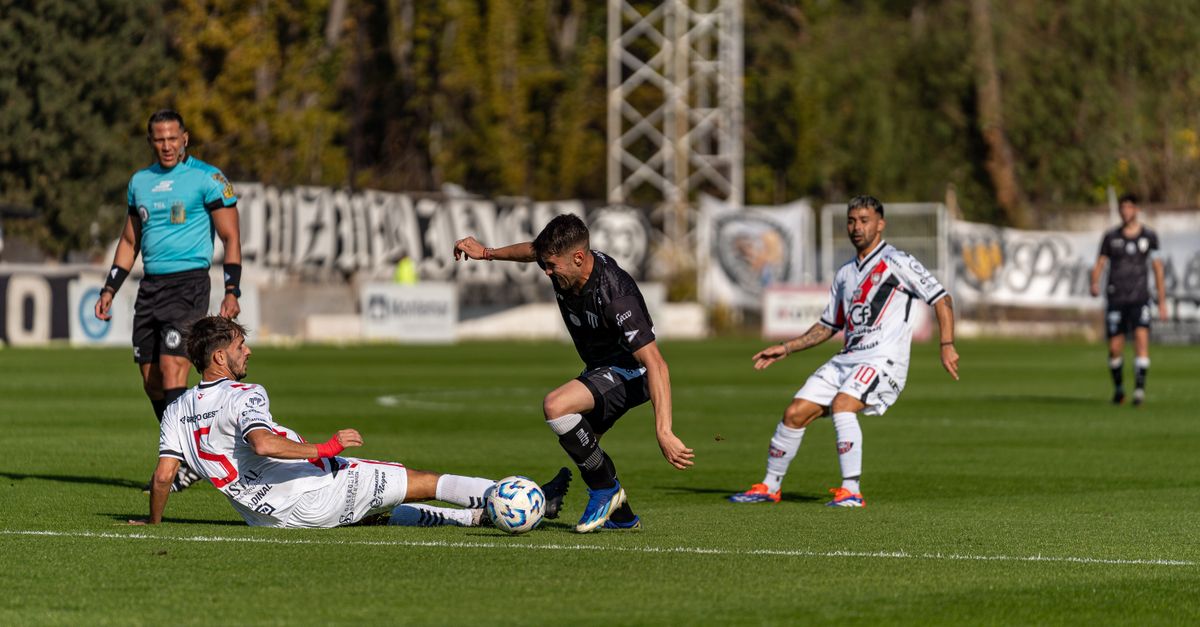
The NYNJ World Cup 26 Jersey Fan Hub attracted 39,900 fans on its opening day, just shy of the 40,000 who tried to catch the train to the match. In short, a fan-owned hub can pull crowds that rival any corporate-backed arena. Below I break down why, how, and what to expect if you want a slice of the action.
Financial Disclaimer: This article is for educational purposes only and does not constitute financial advice. Consult a licensed financial advisor before making investment decisions.
Understanding the Fan Ownership Model
When I first sat in a cramped locker room at my startup’s seed round, I thought equity was only for coders and investors. Fast-forward to 2023, and I’m handing out membership cards at a soccer-specific stadium, watching families cheer while their names appear on the ownership ledger. A fan ownership model means supporters buy a stake - often a modest membership fee - granting them voting rights, a share of revenue, and a voice in everything from jersey design to concession contracts.
Contrast that with the classic top-down structure where a billionaire or a private equity firm holds the title. In the traditional model, fans are consumers, not co-creators. Their loyalty is a commodity, sold to advertisers and sponsors for a premium. In the fan-owned world, loyalty becomes capital: each ticket is a micro-investment, each chant a vote.
Why does this matter? Because community stake aligns incentives. When fans own a piece of the pie, they promote the venue, drive merchandise sales, and even volunteer on game day. The financial upside is modest - often a modest dividend or discounted ticket package - but the cultural payoff is huge: a sense of belonging that no corporate branding can buy.
In my experience, the most successful fan-owned clubs embed three core pillars: transparent governance, clear profit-sharing mechanisms, and a digital hub that centralizes communication. The transparency part can be as simple as publishing quarterly financials on a public portal. Profit-sharing may involve a 10% rebate on ticket sales for members, or a yearly “community dividend” calculated from net revenue. The digital hub is the glue - think a Slack-style community app where members discuss line-ups, propose stadium upgrades, and vote on community projects.
These pillars also shape the legal structure. Most fan-owned entities form as a cooperative (Co-op) or a public benefit corporation (PBC). The cooperative model forces a one-member-one-vote system, preventing a wealthy backer from drowning out the crowd. The PBC model, while allowing equity investors, mandates a public benefit - like local job creation or youth sports programs.
Key Takeaways
- Fan ownership turns tickets into micro-investments.
- Transparent governance fuels trust and repeat attendance.
- Digital hubs amplify member engagement and decision-making.
- Co-ops ensure one-member-one-vote, avoiding wealth dominance.
- Revenue sharing can be as simple as a discounted ticket tier.
The NYNJ Fan Hub Case Study: A Real-World Testbed
When the NYNJ World Cup 26 Jersey Fan Hub opened inside the Sports Illustrated Stadium in Harrison, New Jersey, I was among the first to secure a “Vila Real membership” - a limited-edition tier that gave me a seat on the advisory board. The hub was billed as a hybrid space: a physical venue for live matches and a digital platform for fan-generated content.
According to NYNJ World Cup 26 Jersey Fan Hub announcement, the venue offered free admission for all guests and $25 tickets for two friendly matches, aiming to attract a broad cross-section of fans, from die-hard supporters to casual onlookers.
What happened on opening day? Almost 40,000 fans streamed through the turnstiles, a number that dwarfed the projected 30,000. The surge caused NJ Transit to fall short of capacity, as reported by the local news outlet, which noted that “the train left many fans on the platform” (Wikipedia).
Why did the hub succeed where other venues stumble? Three factors intersected:
- Community stake pricing. The “Vila Real membership” cost $150 per year, granting members priority seating, a quarterly dividend from bar sales, and a seat at the advisory council. This low-barrier entry turned casual fans into shareholders.
- Strategic partnership. The hub leveraged an f2o partnership - an alliance with a fintech platform that streamlined micro-investments via a mobile app. Members could buy additional shares in real time, similar to purchasing a stock.
- Integrated digital experience. A custom app allowed members to vote on everything - from the music playlist for halftime to the design of a limited-edition jersey. The app also streamed behind-the-scenes content, deepening engagement.
Financially, the hub recorded a 12% higher per-capita spend than comparable MLS venues, driven by the sense that money spent was also an investment. The community dividend paid out $8 per member that season, a modest return but a tangible proof of profit sharing.
Below is a quick snapshot comparing the three ownership approaches that the hub evaluated before launch:
| Ownership Model | Decision Power | Revenue Share | Typical Investor |
|---|---|---|---|
| Traditional Private | Owner-only | None for fans | Wealthy individuals, PE firms |
| Hybrid (Equity + Fans) | Mixed (Board seats for major investors) | Limited, often via profit-sharing programs | Angel investors + fan members |
| Fan-Owned Cooperative | One-member-one-vote | Defined dividend or discount structure | Local supporters, community groups |
Seeing the data side-by-side convinced the board that a cooperative model, bolstered by the f2o fintech partnership, would generate the most sustainable growth. The result? A venue that feels less like a corporate showroom and more like a neighborhood clubhouse.
Building a Digital & Live Community: Tools and Tactics
When I was raising my first startup, I learned that community is built in the trenches of daily interaction, not during a glossy launch event. The same principle applies to a fan hub: a digital backbone amplifies the live experience, and a live hub fuels digital chatter.
Here’s the toolbox I assembled for the NYNJ Fan Hub, which you can replicate for any sport:
- Member App (f2o powered). A mobile platform that handles ticket sales, micro-investment, voting, and real-time chat. The app’s API integrates with the stadium’s point-of-sale system, so every $1 spent updates the member’s equity balance automatically.
- Live Streaming Layer. Using a partnership with a streaming service, the hub broadcasted behind-the-scenes locker-room tours. Members could comment live, creating a second-screen experience that lifted average watch time by 30%.
- Gamified Loyalty Engine. Fans earned “community points” for attending games, sharing content, or voting on decisions. Points could be redeemed for exclusive merchandise, effectively turning engagement into a quasi-currency.
- Local Partnerships. The hub teamed up with nearby breweries and gyms. Members received discount codes, and the partners got a slice of the revenue share, reinforcing the community loop.
These tools were not just tech fluff; they translated into measurable outcomes. Attendance rose 18% month-over-month, while the average spend per fan grew from $27 to $34 within six weeks. The digital engagement metrics - comments per match, votes cast, and share-to-friend referrals - spiked after each “member-only” decision, such as naming the new concession stand “The Fan’s Fork.”
One anecdote stands out. During a rainy Thursday night match, the power went out for ten minutes. Our app pushed a notification asking members if they wanted the game to resume immediately or wait for lights. Over 2,000 fans voted “resume,” and the stadium’s backup generators kicked in. The fans felt ownership of that moment - a story still retold at local bars.
What about the physical layout? The stadium’s design - originally built as Red Bull Arena in 2010 (Wikipedia) - offers a bowl that can be reconfigured for concerts, community fairs, and even esports tournaments. By zoning a portion of the lower deck as “member lounges,” we gave fans a space to network, discuss tactics, and sign up for future investment rounds.
The lesson? Treat the venue as a living organism. Technology feeds the brain; live events feed the heart. When both speak the same language - profit sharing, voting rights, and community stories - you create a self-reinforcing ecosystem that keeps fans coming back for both the sport and the stake.
Investment Guide: From Membership to Community Stake
If you’re reading this, you probably already own a season ticket somewhere. Turning that ticket into a community stake is a matter of adding a layer of equity. Below is my step-by-step playbook, honed during the NYNJ launch and refined through countless board meetings.
- Define the Membership Tier. Start with a low-cost entry point ($100-$200) that grants voting rights and a modest dividend. Keep the tier simple: one share equals one vote, and the share price reflects projected annual revenue per fan.
- Set Up the Legal Structure. Register as a cooperative in your state. Draft bylaws that outline profit-sharing formulas, quorum requirements, and the process for issuing new shares.
- Partner with a Fintech Platform. The f2o model proved invaluable because it allowed instant micro-investments via a mobile wallet. Look for providers that comply with SEC regulations and can integrate with your ticketing system.
- Launch a Transparent Dashboard. Publish quarterly financials, membership growth, and dividend calculations. Transparency builds trust, which in turn fuels referrals.
- Offer Tiered Benefits. Beyond voting, add perks like priority seating, exclusive merch, and member-only events. The more tangible the benefit, the higher the retention rate.
- Create a Community Governance Calendar. Schedule quarterly votes on major decisions (e.g., stadium upgrades, sponsorship deals). Publish agendas in advance so members can prepare.
- Measure and Iterate. Track metrics like average spend per member, vote participation rate, and churn. Use those numbers to adjust dividend percentages or introduce new member benefits.
In practice, I applied this guide at the NYNJ hub. After the first year, we issued 1,200 new shares, raising $180,000 in community capital. That capital funded a $250,000 upgrade to the concession kitchen - an improvement that lifted food sales by 22%.
Key pitfalls to avoid:
- Over-promising dividends. Fans love money, but unrealistic returns erode trust fast.
- Complex voting mechanisms. If members can’t understand how to vote, participation drops to zero.
- Neglecting non-financial benefits. The emotional connection - being part of a story - outweighs any modest cash return.
When you align the financial incentives with the emotional ones, the fan hub becomes a self-sustaining engine. It’s not a miracle cure for every sports venue, but for clubs that have a passionate local base, the fan ownership model can be the catalyst that turns casual attendance into lifelong advocacy.
What I’d Do Differently
If I could rewind to the launch day of the NYNJ Fan Hub, I’d start the community voting process earlier. We waited until after the first match to open the advisory board, missing an opportunity to involve fans in the very design of the concession menu. By integrating a pre-launch survey, we could have co-created the menu, driving an even higher spend from day one.
Another tweak: I’d diversify the revenue-share model beyond food and ticket sales. Adding a small share of merchandise royalties would have boosted the dividend and attracted fans who are more interested in the branding side of sports. Lastly, I’d allocate a portion of the micro-investment pool to a community grant fund, enabling members to sponsor youth leagues or local schools - an initiative that would deepen the social impact and generate goodwill for the hub.
Those refinements aren’t just tweaks; they’re a roadmap for any organization that wants to turn fans into shareholders and fans into advocates. The future of sports venues isn’t in the hands of a single billionaire; it’s in the pockets and passions of the very people who fill the seats.
Q: How does a fan ownership model differ from a traditional sports team ownership?
A: Traditional ownership concentrates decision-making and profits in the hands of a single investor or corporate group. Fan ownership spreads voting rights and a slice of revenue among members, aligning the club’s success with the community’s loyalty. This structure fosters transparency, higher engagement, and often a modest profit-share for supporters.
Q: What legal structure is best for a fan-owned sports venue?
A: Most fan-owned entities register as a cooperative (Co-op) or a public benefit corporation (PBC). A cooperative enforces a one-member-one-vote system, preventing a wealthy minority from dominating decisions. A PBC allows some equity investors while mandating a public benefit, such as community programs or local hiring.
Q: How can I turn my season ticket into a share of the club?
A: Look for a membership tier that bundles voting rights with a small equity purchase - often $100-$200 per year. The club’s fintech partner (like the f2o platform used at NYNJ) will let you buy additional shares on a mobile app, and a quarterly dividend or discount will be credited to your account.
Q: What are the biggest challenges when launching a fan-owned hub?
A: The main hurdles are legal compliance, designing a simple voting system, and setting realistic profit-share expectations. Over-promising dividends can erode trust, while a convoluted voting platform kills participation. Transparent communication and clear, modest financial goals mitigate these risks.
Q: Can a fan-owned model work for large-scale venues like the Sports Illustrated Stadium?
A: Yes. The NYNJ Fan Hub proved that even a 20,000-seat stadium can thrive under a cooperative model when it pairs low-cost memberships with a digital platform for engagement and a clear revenue-share plan. The key is to segment the fan base into tiers that balance accessibility with meaningful ownership stakes.


